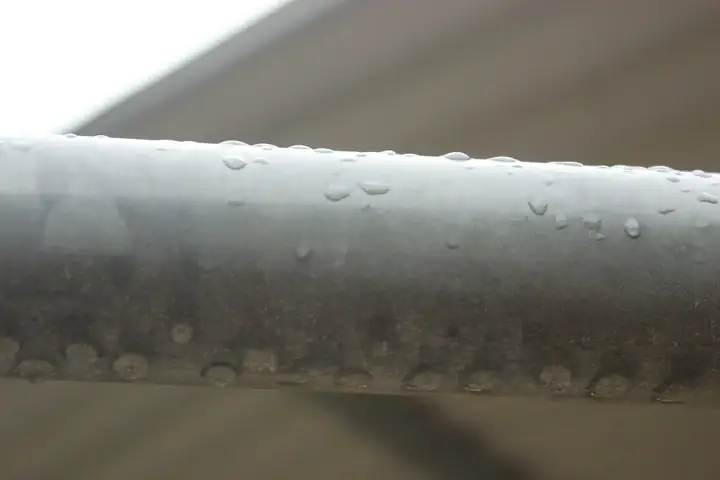
Smells & moisture
Why Your Air Ducts Sweat in Summer, and How to Stop It
Why cold ducts drip in attics and crawl spaces each summer, the insulation the code requires, and fixes that last.
Straight answers on dusty vents, strange smells, slow dryers and the other duct and vent problems homeowners run into. Each post lists the likely causes, the checks you can do today, what the fix costs around Dulles and the sources behind every figure.
Why cold ducts drip in attics and crawl spaces each summer, the insulation the code requires, and fixes that last.
What Virginia Code asks of landlords and tenants for ducts and dryer vents, and how to request cleaning in writing.
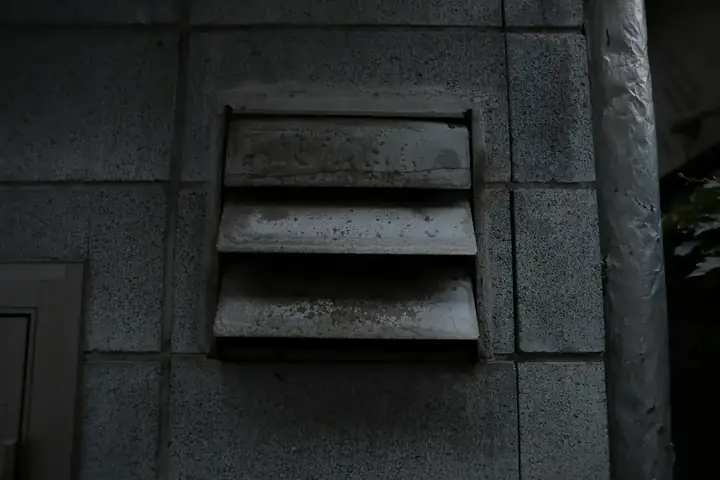
Five causes of whistling or rattling vents, checked in order from free fixes to duct repairs.

Dust mites, pet dander and mold: the indoor triggers, the fixes that start in the bedroom, and where ducts fit in.

Old filters, leaky returns and incomplete jobs: why dust comes back after a cleaning, and how to find the source.

Soot, household dust or mold? A wipe test to tell them apart, and when dark marks call for a furnace check.

Ten questions on scope, method, licence and proof that make two duct cleaning quotes comparable.

Inspect yearly, clean when there's a reason. The signs that mean now, and why the dryer vent runs on its own clock.
Early fall, spring, or right after a renovation: how to time duct work around Northern Virginia seasons.

Bait prices, mold scares, health promises and fogging add-ons: seven warning signs, and what a fair written quote includes.
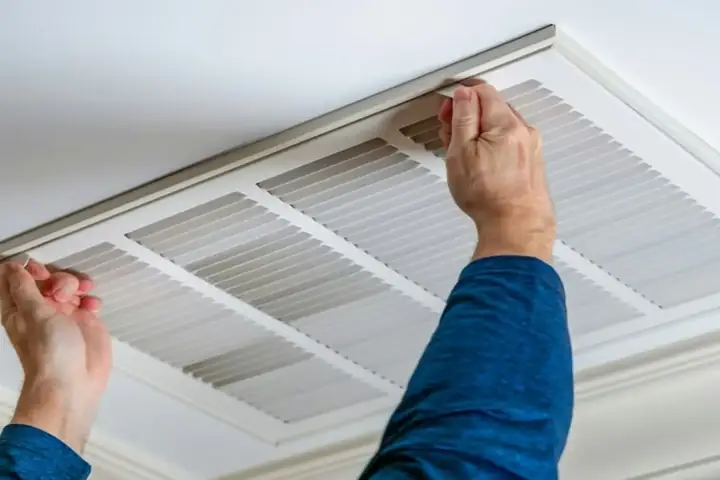
The three situations where the EPA says cleaning pays, the sales pitches that waste money, and a 10-minute check before you book.
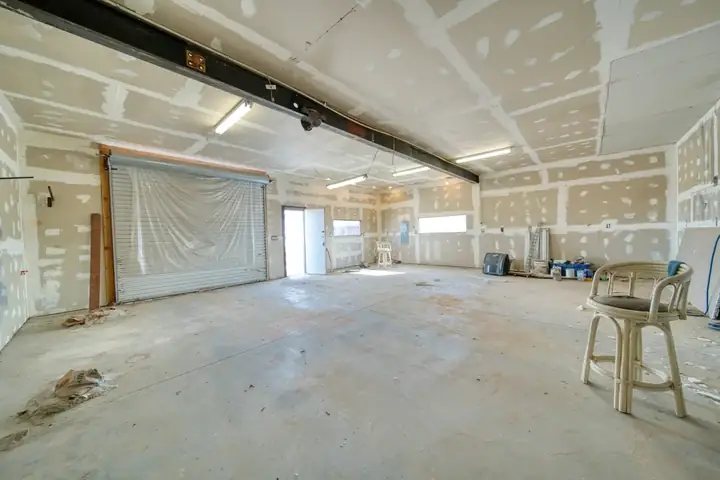
Construction dust after a new build or remodel: what settles, what hides in the ducts and what to do.
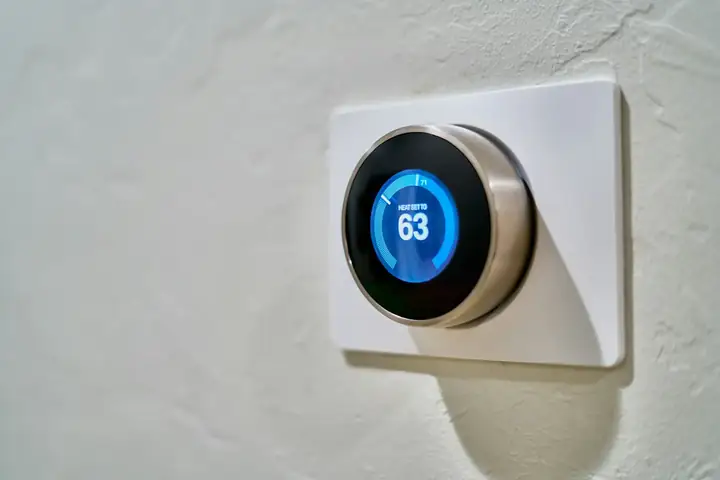
Why one room, or the whole upstairs, never matches the thermostat, and what fixes it.
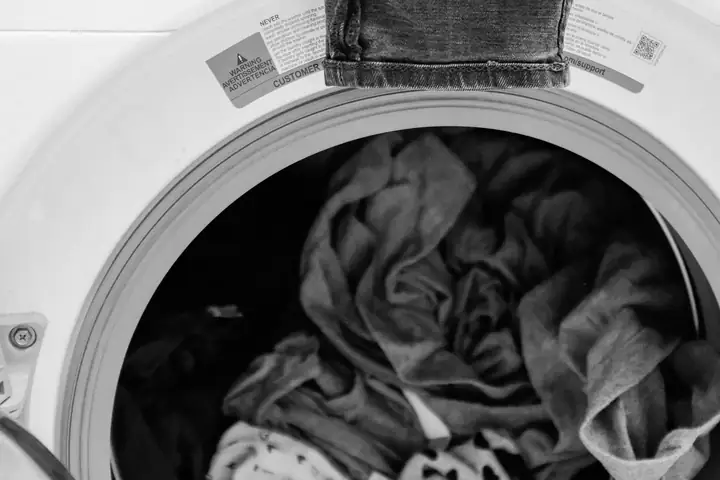
Lint, crushed hoses, overloaded drums and blocked vent caps, checked in the order that matters.
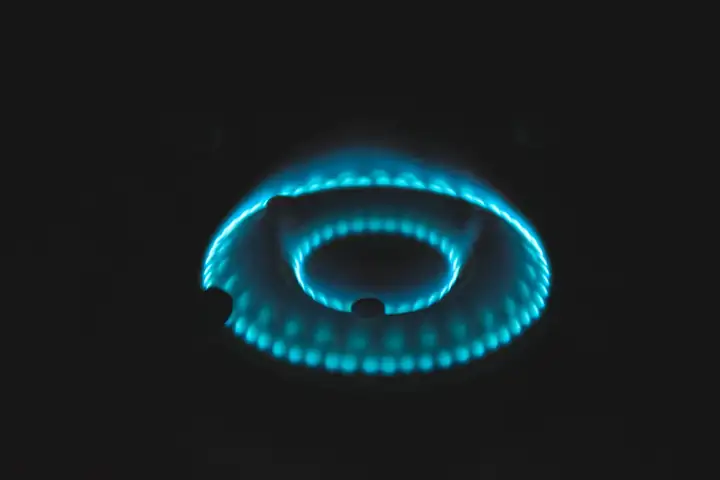
Dust burn-off, hot wiring or gas: which smells are normal and which mean act right now.
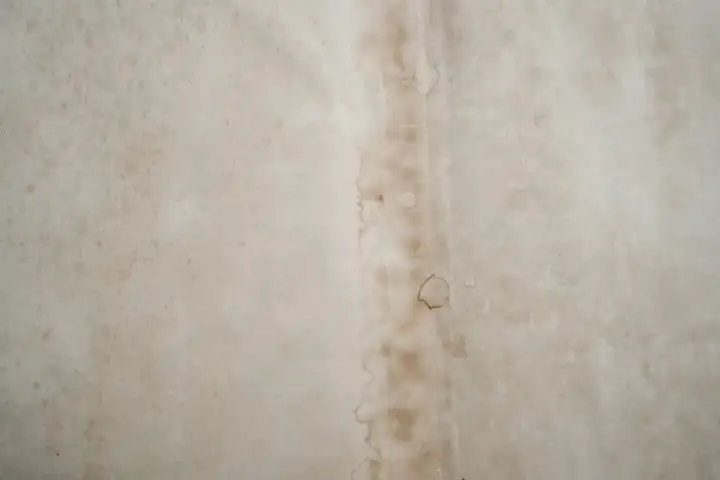
Why the air smells like a damp basement when the AC runs, and when a musty smell points to mold.
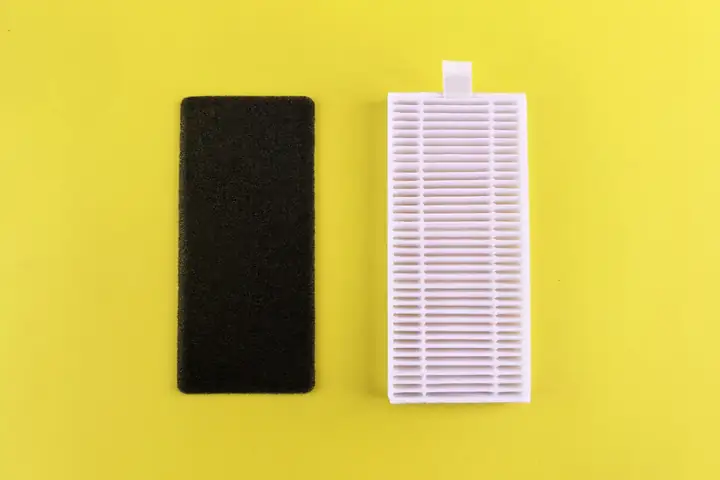
Filters, leaky returns or debris in the ducts: how to tell which one is filling your rooms with dust.
No posts match that search. Try another word, or answer a few questions in the problem checker.
Around Dulles, a whole-system cleaning typically costs $500 to $800 per system. Smaller jobs priced by opening run about $25 to $50 per vent, and a camera inspection costs $0 to $125, often free with a booked cleaning. Ask for a written scope that counts every supply and return.
Only as needed, according to the EPA. NADCA recommends inspecting the system once a year and cleaning when the inspection finds substantial debris, mold or pests. Shedding pets, a renovation, a water leak or rodents are the usual reasons a house needs it sooner.
Only when the ducts hold mold, pest debris or heavy dust. The EPA says duct cleaning has never been shown to prevent health problems. Washing bedding weekly in hot water, keeping humidity between 30 and 50 percent and using the best filter your system allows usually help more.
Watch for a whole-house price far below the local range, health promises, a claim of EPA certification, mold that is reported but never shown, and add-ons that claim to sanitize or disinfect ductwork. The EPA doesn't certify duct cleaners, and NADCA says technicians must not claim to sanitize ducts.
Clean the lint screen after every load, and have the vent line checked whenever a load needs more than one cycle or the laundry room gets hot. The U.S. Fire Administration lists failure to clean as the leading factor in home dryer fires, at 31 percent from 2018 to 2020. Long townhome runs clog fastest.
Each post is written and reviewed by Air Duct Cleaning Dulles VA for homes in and around Dulles, Virginia. Every figure is checked against the source listed at the end of the post, such as the EPA, NADCA, ENERGY STAR or the Code of Virginia, and this page lists the date each post was published or last updated.
The free problem checker asks three or four questions about what you're noticing and ranks the likely causes for your home, with the safety steps that come first.
Describe the problem in your own words and get a written estimate, with no obligation to book.