Is It Really Mold in Your Ducts?
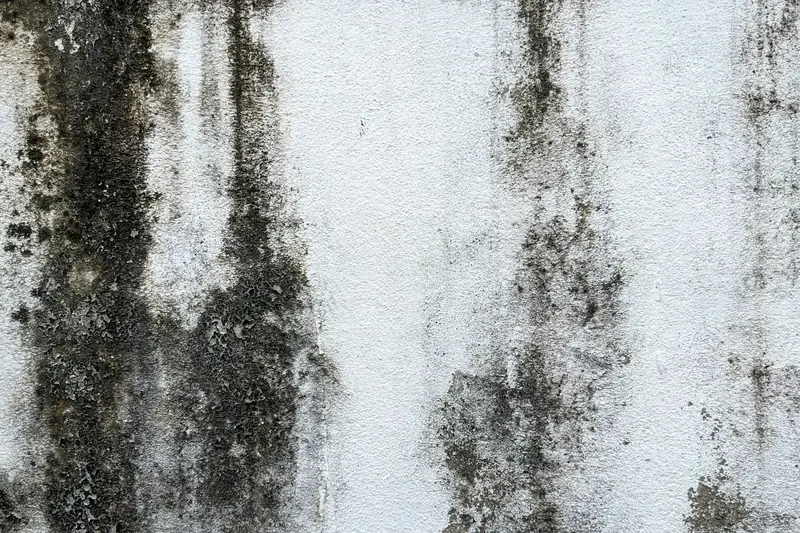
Dark dust and mold look alike. The EPA's consumer guide says only an expert can confirm mold, sometimes with lab analysis, and that some labs test a tape sample for about $50. Ask any contractor to show you the growth before you approve work. Musty smell but no visible growth? Start with the musty smell guide.
| Clue | Points to mold | Points to dust |
|---|---|---|
| Location | Near the coil, drain pan or wet insulation | On supply registers and nearby ceiling |
| Pattern | Fuzzy or blotchy spots, often green, black or white | Even gray film or streaks |
| Smell | Musty, strongest when the AC runs | No distinct smell |
| Wipe test | Stains remain after wiping | Wipes clean |
Not sure? A camera inspection shows what's inside the runs.
What Can Be Cleaned and What Gets Replaced
| Material | If moldy |
|---|---|
| Bare sheet metal ducts | Clean by source removal |
| Wet or moldy duct insulation | Replace — the EPA says it can't be cleaned effectively |
| Fiberglass duct board or lined ducts | Usually replace the affected section |
| Flex duct | Replace — often cheaper than cleaning, per the EPA |
| Coil and drain pan | Clean and restore drainage |
Five Stages of a Proper Mold Job
Stop Running the System
The EPA's mold guide says not to run the HVAC system if you know or suspect it's contaminated with mold, because it can spread spores through the house.
Find and Fix the Moisture
Clogged drain pans, condensation on uninsulated ducts and high humidity feed duct mold. The EPA says underlying causes must be corrected or the problem returns.
Remove What Can't Be Cleaned
Wet or moldy insulation, duct board and flex duct sections come out and get replaced.
Clean Hard Surfaces at the Source
Sheet metal ducts, the coil and drain pan get cleaned under negative pressure.
Treat Only if Needed, Only as Labeled
NADCA says antimicrobials belong only after mechanical cleaning, on nonporous surfaces, used exactly as the EPA label directs. Read what duct sanitizing can and can't do.
Most duct mold starts at the cooling coil; the AC duct cleaning page covers moisture points.
Mold in Air Ducts and Your Health
Mold spreads spores through every room a contaminated system serves, which is why the EPA lists substantial visible mold as a reason to clean. If anyone in the home has allergy or breathing symptoms that worsen indoors, talk with a doctor, and keep the system off until the mold is addressed.
Budgeting for Duct Mold Work
| Item | Typical range |
|---|---|
| Mold and mildew removal | $1,223–$3,753 |
| Lab analysis of a tape sample | About $50 |
| Camera inspection | $0–$125 |
| Standard whole-system cleaning, if no mold is found | $500–$800 per system |
Sources: NerdWallet citing Angi (April 2026); U.S. EPA; Northern Virginia pricing reviewed in 2026. Insulation and duct replacement are priced after inspection.