Duct tape on your ducts? ENERGY STAR says skip it — it doesn't last.

Duct sealing · Loudoun County homes

Duct Sealing That Lasts: Mastic, Metal Tape and Code

Sealing closes the gaps where ducts lose air: seams, joints, boots and the connections at registers. With the right materials it holds for years. With cloth duct tape it peels off long before the next inspection.

Quick answer

Duct sealing is worth it for most forced-air homes. ENERGY STAR estimates typical ducts lose 20 to 30 percent of their air to leaks. Seal joints with mastic sealant or metal tape, never duct tape, and insulate the ducts you can reach in attics, crawl spaces, unfinished basements and garages. Virginia's residential code requires ducts, air handlers and filter boxes to be sealed.

  • 20–30%Air lost from typical ducts, per ENERGY STAR
  • MasticOr metal tape — never duct tape
  • N1103.3.4Virginia code section requiring sealed ducts
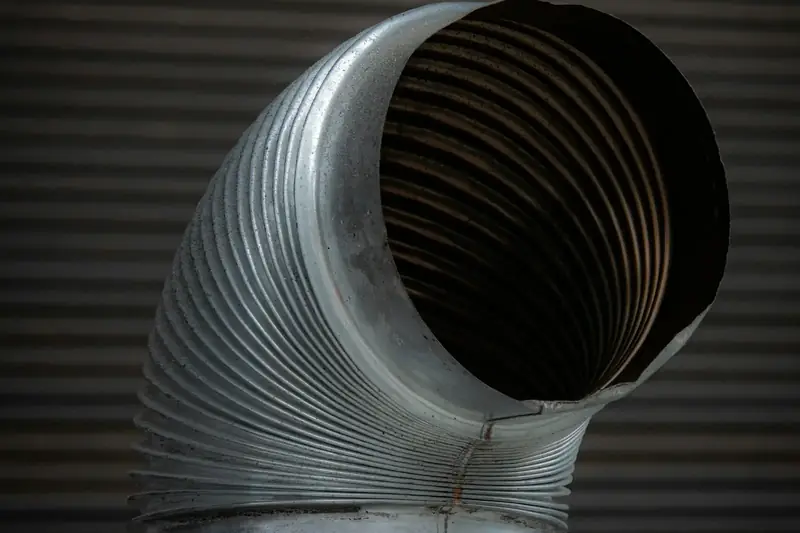
Adjustable galvanized metal duct elbow with segmented joints against a wall
Segmented duct fittings like this elbow have several joints to seal. Stock photo by Yanping Ma on Unsplash.

Is Duct Sealing Worth It?

For most homes with ducts outside the living space, yes. ENERGY STAR puts typical duct losses at 20 to 30 percent of the air the system moves, which shows up as higher bills and rooms that never feel right. Sealing goes straight at that loss.

Measure it. A duct leakage test before and after sealing shows exactly how much air you got back.

Mastic, Metal Tape or Duct Tape: What Holds Up

Duct sealing materials
MaterialWhere it worksVerdict
Mastic sealantSeams, joints, boots and irregular gapsRecommended by ENERGY STAR
Metal tapeStraight seams and flat jointsRecommended by ENERGY STAR
Cloth duct tapeNowhere on ductsAvoid — not long-lasting, per ENERGY STAR

Joints Worth Sealing First

  • Connections where registers meet floors, walls and ceilings, which ENERGY STAR names as common leak spots
  • Joints on ducts in the attic, crawl space, unfinished basement or garage
  • The connections at the air handler and filter box, which Virginia's code requires sealed
  • Disconnected runs, which need ductwork repair before any sealant goes on

From Dusty Seam to Sealed Joint

  1. Find the Leaks

    An inspection or leakage test shows which joints matter.

  2. Clean the Surface

    Mastic and tape grip poorly on dust, so the seam gets wiped first.

  3. Refasten Loose Sections

    Screws or clamps hold the joint; sealant alone doesn't.

  4. Apply Mastic or Metal Tape

    Brush mastic over the seam, or press metal tape flat along it.

  5. Insulate Exposed Ducts

    ENERGY STAR advises insulating ducts you can reach in attics, crawl spaces, unfinished basements and garages. Attic runs get extra attention on the attic ductwork page.

  6. Retest

    A second leakage reading confirms the work.

Sealing Joints Isn't the Same as Coating Duct Interiors

Some cleaning companies offer to spray a sealant coating inside ducts after cleaning. That's a different product with a different purpose. The EPA reports that it, NADCA and other groups don't recommend the routine use of sealants to cover the inside of ducts. Leak sealing works on the joints and seams, where the air actually escapes.

Air Duct Sealing FAQs

Is duct sealing worth it?

For most homes with ducts in attics, crawl spaces, basements or garages, yes. ENERGY STAR estimates typical ducts lose 20 to 30 percent of their air to leaks, holes and poor connections. Sealing the worst joints cuts that loss, and a before-and-after leakage test shows the result.

What is the best way to seal air ducts?

Clean each seam, refasten loose joints with screws or clamps, then cover the seam with mastic sealant or metal tape, the two materials ENERGY STAR recommends. Never use cloth duct tape. Finish by insulating ducts you can reach in unconditioned spaces.

How are air ducts sealed?

A technician finds leaks with an inspection or pressure test, wipes the joints clean, refastens any loose sections and brushes mastic or presses metal tape over each seam. Connections at registers, the air handler and the filter box get sealed too. A second leakage test confirms the improvement.

What is duct sealant used for?

Duct sealant, a thick paste called mastic, closes gaps at duct seams, joints, boots and connections so conditioned air stays inside the ducts. It's different from sprayed coatings for duct interiors, which the EPA says it and NADCA don't recommend for routine use.

Keep Conditioned Air in the Ducts

Seal with materials that last, then measure the result.

Call (703) 952-9479 Back to top