Bath fan won't hold a tissue? Dust on the grille and blades cuts its airflow.

Home ventilation · Dulles, VA area

Whole-Home Ventilation Cleaning: Fans, Intakes and ERVs

Ventilation moves stale, moist air out of a home and brings fresh air in. Bath fans, kitchen hoods, fresh-air intakes and energy or heat recovery ventilators all collect dust, lint or grease, and a dirty system moves less air than the code expects.

Quick answer

Clean a ventilation system part by part: wash fan grilles and vacuum fan blades, clear fresh-air intake hoods, and clean or replace ERV or HRV filters and cores the way the manufacturer's manual directs. Virginia's residential code sets minimum exhaust rates of 50 cfm intermittent or 20 cfm continuous for bathrooms, and 100 cfm intermittent or 25 cfm continuous for kitchens.

  • 50 / 20 cfmBathroom exhaust minimum, intermittent / continuous
  • 100 / 25 cfmKitchen exhaust minimum, intermittent / continuous
  • 400 cfmHood size above which makeup air rules apply
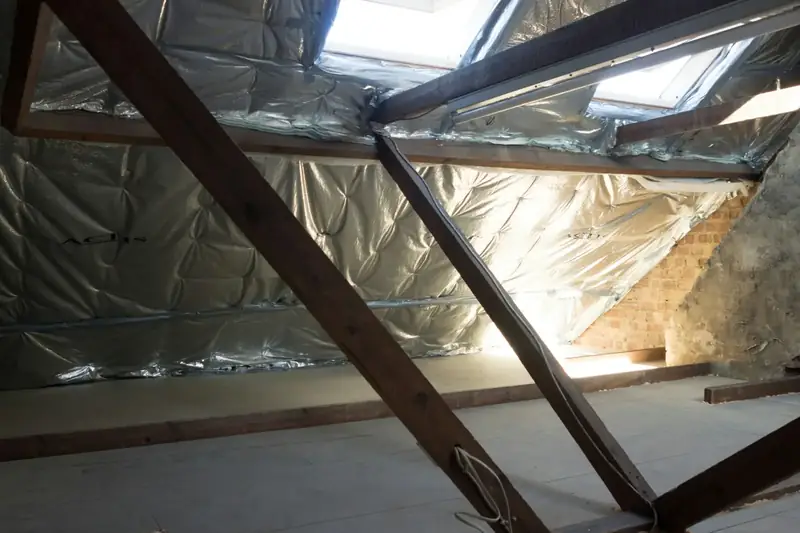
Attic space lined with foil-faced insulation and lit by skylights
Ventilation ducts often pass through attic spaces like this one. Stock photo by Brett Jordan on Unsplash.

Which Parts of a Ventilation System Collect Dust

Ventilation parts and how they get cleaned
PartWhat builds upCleaning
Bathroom fan grille and bladesDust and lint, damp from showersWash the grille; vacuum blades with power off. See bath fan cleaning
Kitchen hood filters and ductGreaseDegrease filters; a professional for a greasy duct. See range hood duct cleaning
Fresh-air intake hoodLeaves, pollen, insectsClear it from outside
ERV or HRV filtersDust from incoming and outgoing airClean or replace per the manual
ERV or HRV coreFine dust on the exchange surfacesPer the manual only
Outdoor exhaust hoodsLint, nests, stuck dampersCheck that each damper swings freely

Exhaust Airflow Minimums in Virginia Homes

Section M1505.4.4 of the 2021 Virginia Residential Code sets minimum local exhaust rates.

Minimum local exhaust rates
RoomIntermittentContinuous
Kitchen100 cfm25 cfm
Bathroom or toilet room50 cfm20 cfm

A fan rated at those numbers delivers less once dust coats its grille and blades or its outdoor damper sticks. Bathroom exhaust also has to go directly outdoors, never into the attic (Section M1505.2); the attic ductwork page lists the other exhausts with the same rule.

Cleaning an ERV or HRV Core

  1. Start With the Manual

    Models differ. The manufacturer's manual gives the filter and core cleaning directions.

  2. Turn the Unit Off

    Switch it off, and unplug it if the manual says to.

  3. Check the Filters

    Vacuum, wash or replace them as directed.

  4. Treat the Core as the Manual Directs

    Some cores rinse clean. Many ERV cores don't tolerate water, so never guess.

  5. Clear the Outdoor Hoods

    Leaves and debris on the intake starve the unit of fresh air.

Makeup Air for Big Range Hoods

A powerful kitchen hood pulls a lot of air out of a tight house, and that air has to be replaced. Virginia's residential code requires makeup air for kitchen exhaust hood systems rated above 400 cfm. If a hood that size was added without makeup air, bring it up with an HVAC contractor.

Is Cleaning a Ventilation System Worth It?

For any part with visible buildup, yes. A bath fan that barely moves air leaves shower moisture behind, and the EPA's mold guide ties mold growth to moisture and advises keeping humidity below 60 percent. Grilles and filters are quick homeowner jobs; greasy kitchen ducts and ERV or HRV service are better left to a technician.

Home Ventilation Cleaning FAQs

How do you clean a whole-house ventilation system?

Work part by part. Wash bath fan grilles and vacuum the blades with power off, degrease kitchen hood filters, clear leaves from fresh-air intake hoods, and clean or replace ERV or HRV filters and cores following the manufacturer's manual. Check that every outdoor exhaust damper opens freely.

Is it worth cleaning a ventilation system?

Yes, where there's visible buildup. Dust on fan grilles and blades and stuck dampers cut airflow, and a weak bath fan leaves moisture behind. The EPA links mold growth to moisture and recommends keeping indoor humidity below 60 percent.

How often should a ventilation system be cleaned?

There's no single schedule. Wipe fan grilles when you dust, check fresh-air intake hoods each season, and service ERV or HRV filters and cores on the interval in the manufacturer's manual. Clean kitchen hood filters whenever grease builds up.

How much does it cost to clean a ventilation system?

It depends on how many fans, hoods and ventilators the home has and what condition they're in. Grilles, filters and intake hoods are usually do-it-yourself jobs. A technician quotes greasy kitchen duct cleaning and ERV or HRV service after seeing the equipment.

Let Your Home Breathe Properly

Clean fans, clear intakes and a working ERV or HRV move the air the code expects.

Call (703) 952-9479 Back to top