Finishing your basement? Sort out the ductwork before the drywall goes up.

Basement ductwork · Loudoun County

Basement Duct Cleaning for Unfinished and Finished Spaces

A basement often holds the furnace or air handler and the main trunk lines that feed the rest of the house. When the return side leaks down there, the system pulls basement air into every room, along with its dust and odors.

Quick answer

Basement duct cleaning works when the ducts hold dust or debris, and it pairs well with sealing leaky returns that draw musty basement air into the system. Keep basement humidity below 60 percent, ideally 30 to 50, per the EPA. In older homes, have suspect insulation checked for asbestos before any duct work; the EPA's duct cleaning guide tells providers to check system materials first.

  • 30–50%EPA's ideal indoor humidity range
  • ReturnsLeaky basement returns pull basement air upstairs
  • Test firstSuspect insulation in older homes
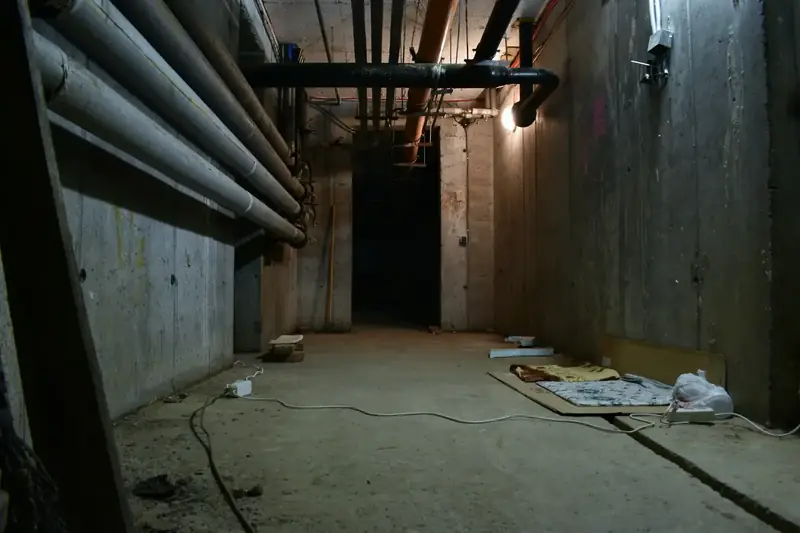
Dim concrete basement corridor with pipes running along the ceiling
Stock photo by Oleksandr Chernobai on Unsplash.

Why the Return Side Matters Most Down Here

Supply ducts push conditioned air out to rooms. Return ducts pull air back to the system. A gap in a basement return draws in basement air, and the system sends it to every room it serves.

Basement conditions and the duct fix
ConditionWhat happensFix
Leaky return jointsBasement dust and odors spread upstairsSeal with mastic or metal tape
Damp basementMusty smell through the whole houseDehumidify, then clean if needed
Boxes stacked against returnsRestricted airflow, dust buildupKeep returns clear
Bare ducts in an unfinished basementLost heating and coolingInsulate, per ENERGY STAR

Musty Basement Air and Your Ducts

The EPA's mold guide advises keeping humidity below 60 percent, ideally 30 to 50, and fixing water problems quickly. A $10 to $50 humidity meter shows whether the basement stays in range. A musty smell at registers throughout the house sometimes starts right here; duct odor removal covers how to trace it.

Older Homes: Check Insulation Before Anyone Scrapes

The EPA's duct cleaning guide tells service providers to check heating and cooling system materials for asbestos before cleaning. In an older basement, that means wrap on old pipes, boilers and furnaces. Don't sweep, scrape or vacuum suspect material. Have it tested, and leave any removal to a trained asbestos professional.

Finishing a Basement? Handle the Ducts First

  • Inspect and clean trunk lines while they're still exposed
  • Seal return joints before drywall hides them
  • Plan supply and return air for the new rooms with an HVAC contractor
  • Cover registers and run the system with a fresh filter during drywall work, then check the ducts afterward; see post-construction duct cleaning

Signs Your Basement Ductwork Needs Cleaning

  • Dust or debris visible inside return openings
  • A musty smell every time the system starts
  • Visible growth on duct surfaces near the furnace or air handler
  • Droppings on or inside the ducts
  • Dust puffing out of registers upstairs

These line up with the EPA's reasons to clean: substantial visible mold, vermin, or excess dust and debris.

Basement Ductwork FAQs

Does basement duct cleaning work?

Yes, when the ducts hold dust, debris or pest contamination. It works best combined with sealing leaky return joints, which otherwise keep pulling basement dust and odors into the system, and with humidity control in the 30 to 50 percent range the EPA recommends.

How much does basement duct cleaning cost?

Duct cleaning is usually priced per system or per vent. A whole-system cleaning near Dulles typically costs $500 to $800 per system. Sealing returns, insulating bare ducts and any asbestos testing in older homes are quoted separately.

Can I clean basement ductwork myself?

You can vacuum registers and return grilles and wipe the outside of exposed ducts. Cleaning inside the system needs negative-pressure equipment, because the EPA warns that cleaning without proper collection releases dust. In older homes, don't touch suspect pipe or furnace insulation.

What are the signs your basement ducts need cleaning?

Dust or debris visible inside return openings, a musty smell when the system starts, visible growth near the furnace or air handler, droppings on the ducts, and dust puffing from registers upstairs. These match the EPA's reasons to clean: mold, vermin, or excess dust and debris.

Stop Sending Basement Air Upstairs

Seal the returns, dry the air, then clean what's inside.

Call (703) 952-9479 Back to top