New whistle after a filter change? Check the filter size before anything else.

Blog · Problem guide

Whistling or Rattling Air Vents: What Causes It and How to Fix It

A whistle is air moving fast through a small opening. In a duct system that usually means the air has too few places to go, or it's escaping somewhere it shouldn't. Most causes are free to check, and the ones that aren't are usually small repairs rather than new equipment.

Quick answer

Whistling vents usually come from a restriction or a leak: a clogged or wrong-size filter, closed or blocked registers, blocked return grilles, bent register fins, or gaps at duct joints and boots. Check the filter and open every register first. A whistle that remains points to leaks or a return that is too small, which a technician can confirm.

Get a written estimate for your home or call (703) 952-9479.

  • 5Common causes of a whistling vent
  • FreeMost first checks
  • 20–30%Typical duct air lost to leaks, ENERGY STAR
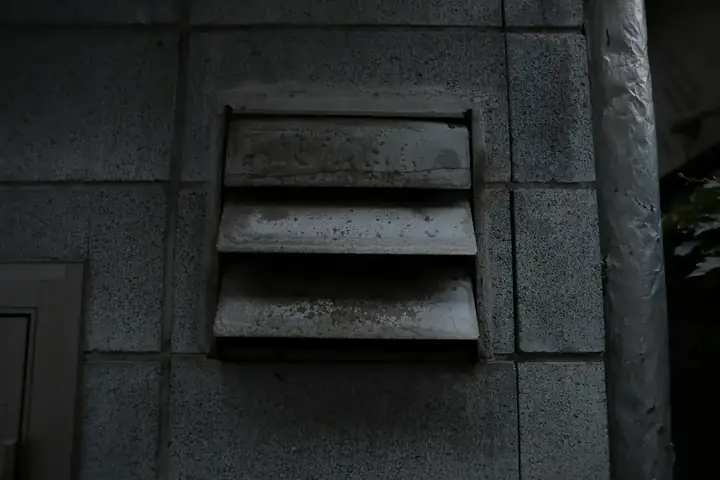
Gray louvered metal vent set into a dark tiled wall
Air forced through narrow openings is what makes a vent whistle. Stock photo by blue soda on Unsplash.

Five Common Causes

Cause, sign and fix
CauseSignFix
Clogged or wrong-size filterWhistle at the return or furnaceFit the right size, change it
Closed or blocked registersWhistle at other open ventsOpen them, move furniture
Blocked or small returnDoors pull shut, return roarsClear it; a technician checks sizing
Bent register finsWhistle at one registerStraighten or replace the register
Leaks at joints or bootsWhistle in walls, ceilings or the atticSeal with mastic or metal tape

Checks in Order, Cheapest First

  1. Check the Filter

    A clogged filter or one that doesn't fit the slot forces air through gaps. Match the size printed on the old filter.

  2. Open Every Register

    Closing vents in unused rooms raises pressure in the ducts and pushes air out through leaks and the remaining vents.

  3. Clear the Returns

    Furniture, rugs or curtains over a return starve the system of air.

  4. Listen at the Walls

    A whistle from inside a wall or ceiling points to a leak at a joint or boot.

Closed registers also cause the hot and cold rooms described in the uneven temperatures guide.

Rattles and Bangs Are Different

A rattle usually means something is loose: a register screw, a damper, or a duct section that moves when the blower starts. A bang when the system starts or stops is often thin sheet metal flexing as pressure changes. Both point to a loose or unsupported duct, and the ductwork repair page covers the common fixes.

When to Call a Technician

If the whistle survives a new filter and open registers, the cause is inside the duct system. ENERGY STAR estimates typical ducts lose 20 to 30 percent of their air to leaks, and a whistling joint is one you can hear. Duct leak detection finds the leaks, and sealing with mastic or metal tape quiets them.

Whistling Air Vent FAQs

How do I stop my air vent from whistling?

Change the filter and confirm it's the right size, open every register, and clear anything blocking the return grilles. If a single register whistles, check for bent fins. A whistle that remains after that points to leaks or an undersized return that a technician can confirm.

Why is my air vent making a high pitched noise?

Air is squeezing through an opening that is too small. The usual causes are a clogged filter, closed or blocked registers, a blocked return, bent register fins, or a gap at a duct joint or boot. Start with the filter and the registers.

Is whistling noise a serious problem?

Usually not dangerous, but it means the system is working against a restriction or losing air through a leak. That costs energy and comfort. A clogged filter left in place also strains the blower, so fix the cause rather than ignoring the noise.

Why is my HVAC making a whistling sound?

A whistle at the furnace or return usually means the filter is clogged or doesn't fit its slot. A whistle at the registers or in the walls points to closed vents, blocked returns or duct leaks. Check the filter first.

Quiet the Vents for Good

Find the leak or restriction instead of living with the noise.

Call (703) 952-9479 Back to top