Chirping inside the wall? Check the species before you pull a nest.

Vent nest removal · Loudoun County

Birds in the Dryer Vent: Removal, the Law and Prevention

A dryer or bath fan vent looks like a perfect nest cavity to a bird: sheltered, warm and often propped open by lint. A nest blocks the exhaust, and in a dryer vent it adds dry fuel next to hot air. Clearing it has one extra step most people skip.

Quick answer

Yes, birds nest in dryer, bathroom and kitchen exhaust vents. Before removing a nest, find out the species: federal law prohibits taking protected native migratory birds without authorization, while nonnative species introduced by people aren't covered. Once cleared, clean the vent line and fit a hood with a working backdraft damper. Don't add a screen to a dryer vent; Virginia code bans them.

  • MBTAFederal law protecting native migratory birds
  • 2020Year FWS updated its list of nonnative species not covered
  • No screenAllowed on dryer vent terminations
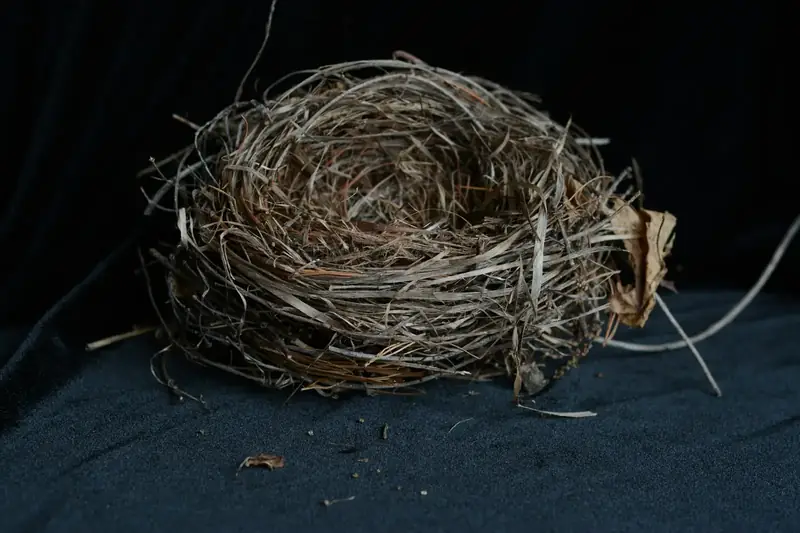
Bird nest woven from twigs and dry grass
Stock photo by The Dark Queen on Unsplash.

Why Birds Pick Your Vents

  • The hood gives shelter from rain and predators
  • Warm exhaust makes the cavity comfortable in cool weather
  • A flap held open by lint, or missing entirely, leaves the door open
  • Loose lint at the opening doubles as nesting material

Signs: chirping or scratching near the laundry room or bathroom, twigs and grass at the hood, and a dryer that suddenly takes much longer to dry. For a guided check, use the pests section of the problem checker.

Check the Species Before You Touch a Nest

The Migratory Bird Treaty Act prohibits the take of protected migratory bird species without prior authorization, according to the U.S. Fish and Wildlife Service. A 2004 amendment limits it to species native to the United States, and the Service published an updated list of nonnative, human-introduced species the act doesn't cover in 2020.

What to do based on what's in the vent
SituationNext step
Nonnative species, such as house sparrows or European starlingsRemoval isn't restricted by the act; clear the nest and fix the hood
Native species with eggs or chicksLeave it and contact the U.S. Fish and Wildlife Service or a licensed wildlife professional
Species unknownPhotograph the bird and nest, then get it identified before removal
Old nest, no birds seen for weeksConfirm it's empty, then clear and clean the vent

How a Nest Comes Out of a Vent

  1. Stop the Appliance

    Don't run the dryer or fan while the vent is blocked.

  2. Open the Hood

    Remove the outdoor cover to reach the nest.

  3. Pull the Nest and Loose Debris

    Wear gloves, and bag the material.

  4. Clean the Full Line

    Nesting material and lint travel deep into the duct; brush and vacuum it end to end.

  5. Replace the Hood

    Fit a hood whose damper closes fully when the appliance is off.

Keeping Birds Out Without a Screen

A screen over a dryer vent clogs with lint, and Section M1502 of the Virginia Residential Code bans screens at dryer terminations. Use a hood with a backdraft damper that closes on its own, keep lint from propping it open, and check it every few months. The dryer vent inspection page shows what a passing hood looks like.

Is Dryer Lint Safe for Bird Nests?

Skip it. Lint soaks up water and falls apart in rain, and it carries residue from detergent and fabric softener. Leaving lint around the dryer hood also invites birds to build right there. If you want to help nesting birds, offer twigs, dry grass or leaves away from the house, and keep the vent itself lint-free with regular dryer vent cleaning.

Vent Nest Removal FAQs

Do birds nest in dryer vents?

Yes. A dryer vent hood is sheltered and warm, and a flap held open by lint gives birds an easy way in. Nests also show up in bathroom and kitchen exhaust vents. Watch for twigs at the hood, chirping near the laundry room and a sudden jump in drying time.

How do I stop birds from nesting in my vents?

Fit hoods with backdraft dampers that close fully when the appliance is off, keep lint from propping flaps open, and check the hoods every few months. Don't add a mesh screen to a dryer vent; it clogs with lint, and Virginia code bans screens at dryer terminations.

Is dryer lint safe for bird nests?

It's better not to offer it. Lint soaks up water and falls apart when wet, and it can carry detergent and fabric softener residue. Leaving lint near the vent also draws birds to nest in it. Offer twigs, dry grass or leaves instead, away from the house.

How do I get rid of birds in my vents?

First identify the species. Federal law protects native migratory birds, so leave active nests of native species alone and contact the U.S. Fish and Wildlife Service or a licensed wildlife professional. Nests of nonnative species such as house sparrows can be cleared, then clean the vent and replace the hood.

Clear the Nest the Right Way

Species check, full vent cleaning and a hood that keeps the next bird out.

Call (703) 952-9479 Back to top