Sticky film on the hood? Grease inside the duct looks the same, only thicker.

Kitchen exhaust · Dulles, VA area homes

Kitchen Range Hood Duct Cleaning: Grease Is the Problem

Air ducts gather dust. A kitchen hood duct gathers grease, which sticks, builds and burns. The filters catch most of it; the rest coats the fan and the duct that carries cooking air outside.

Quick answer

Clean metal range hood filters whenever grease builds up, following your hood's manual, and replace charcoal filters in ductless hoods rather than washing them. Soak metal filters in hot water with a degreasing dish soap. A greasy duct needs a professional. Virginia code requires ducted kitchen hoods to vent outdoors through a smooth, airtight duct with a backdraft damper, never into an attic or crawl space.

  • #1Cooking is the leading cause of home fires, per USFA
  • 100 cfmMinimum intermittent kitchen exhaust rate
  • 400 cfmHood rating above which makeup air rules apply
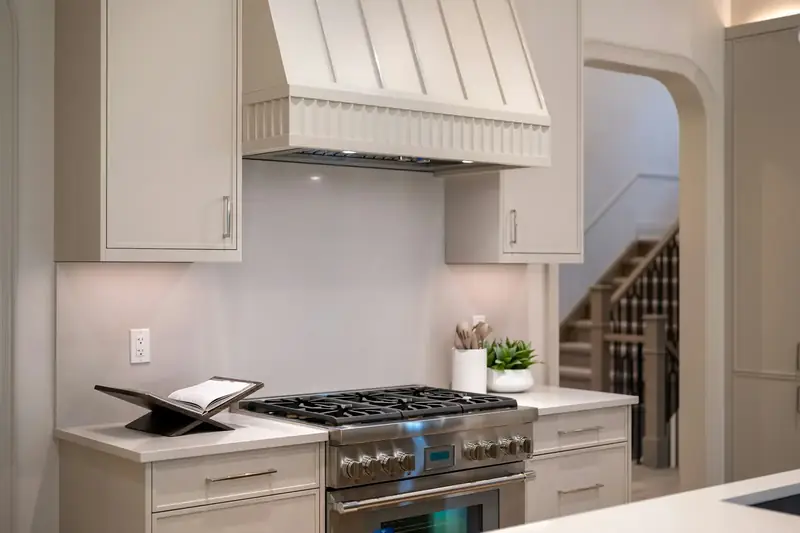
Painted range hood mounted above a gas range
Stock photo by Franco Debartolo on Unsplash.

Cooking Fires Start Where Grease Collects

The U.S. Fire Administration names cooking as the leading cause of home fires. In 2021, residential building cooking fires numbered about 170,000 and caused 135 deaths and 3,000 injuries, and unattended cooking equipment was a factor in 37 percent. A clean hood doesn't replace watching the stove, but grease in filters and ducts gives a pan fire more to reach.

Degreasing Metal Hood Filters at the Sink

  1. Turn Off the Hood and Let It Cool

    Filters come out through clips or a slide.

  2. Soak in Hot, Soapy Water

    Use a degreasing dish soap and let the filters sit.

  3. Scrub Gently

    A soft brush works the grease out of the mesh or baffles.

  4. Rinse and Dry Completely

    Reinstall only when dry.

  5. Wipe the Hood Interior

    Clean the grease film above the filters while they're out.

Check your hood's manual first; some metal filters are dishwasher-safe. Charcoal filters in ductless, recirculating hoods get replaced, not washed.

Where a Kitchen Hood Duct Must Go

Kitchen exhaust rules, 2021 Virginia Residential Code
RuleSection
Vents outdoors, never into an attic or crawl spaceM1503.3
Smooth-interior, airtight duct with a backdraft damperM1503.3
Independent of other exhaust systemsM1503.3
Listed ductless hoods are an exceptionM1503.3
Makeup air for hoods rated above 400 cfmM1503.6

A hood that vents into the attic leaves grease on insulation and framing; the attic ductwork page covers the other exhausts with the same rule.

When the Duct Needs a Professional

  • Grease drips from the hood or collects around the fan
  • The hood is loud but moves little air, even with clean filters
  • The outdoor damper sticks with grease
  • You're unsure whether the hood vents outdoors at all

A technician degreases the fan and duct, checks the damper and termination, and confirms where the duct actually ends.

Airflow Minimums and Makeup Air

Section M1505.4.4 sets the minimum kitchen exhaust rate at 100 cfm for a fan run intermittently, or 25 cfm for continuous operation. Large hoods pull the other way: above 400 cfm, the code requires makeup air to replace what the hood removes. The full set of household exhaust rates is on the whole-home ventilation page.

Range Hood Duct Cleaning FAQs

How often should you clean range hood vents?

Clean metal filters whenever you see a grease film on them, following your hood's manual; frequent frying calls for more often. Replace charcoal filters in ductless hoods on the manual's schedule. Have the duct itself checked when the hood grows weak or grease appears around the fan.

How much does it cost to clean a range hood duct?

Filters cost nothing but soap and time. Professional degreasing of a residential hood fan and duct depends on duct length, access and how much grease has built up, so companies quote after seeing it. Ask that the quote include a check of the damper and outdoor termination.

Does cleaning a range hood make a difference?

Yes. Clogged filters and a greasy fan reduce airflow below what the hood was rated for, and Virginia's code expects at least 100 cfm intermittent kitchen exhaust. Grease is also fuel, and the U.S. Fire Administration names cooking as the leading cause of home fires.

What is the best way to clean a range hood?

Turn it off and let it cool, remove the metal filters and soak them in hot water with a degreasing dish soap, scrub gently, rinse and dry fully. Wipe the grease film inside the hood while the filters are out. Check the manual first; some filters are dishwasher-safe.

Take the Grease Out of the Equation

Clean filters, a clear duct and a hood that vents where the code says.

Call (703) 952-9479 Back to top