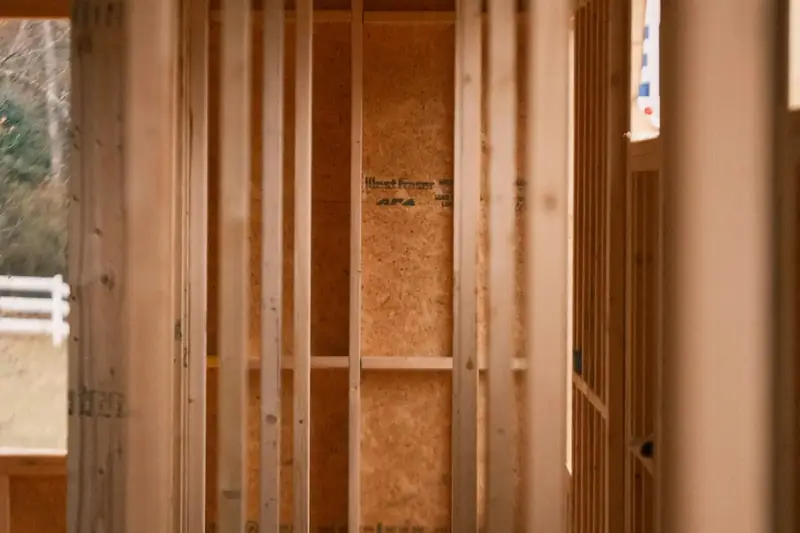
Which Projects Put the Most Dust in Ducts
| Project | Dust type | Duct risk |
|---|---|---|
| Drywall hanging and sanding | Very fine white powder | High |
| Hardwood floor sanding | Fine wood dust | High — floor registers sit right in the dust |
| Demolition | Plaster, insulation, debris | High |
| Basement finishing | Drywall, framing sawdust | Medium to high — near the air handler |
| Painting only | Little airborne dust | Low |
The EPA's Indoor airPLUS program notes that construction dust gets drawn into ducts and equipment even when the system isn't running, and that flex duct's grooved lining holds onto it.
How to Protect Ducts During a Remodel
Seal Supply and Return Registers
Cover openings in the work area with plastic sheeting and painter's tape, as the EPA advises during renovation.
Keep the System Off During Dusty Work
The EPA advises not running the heating and cooling system until construction dust is cleaned up.
Protect the Return and the Air Handler
The return pulls the most dust. If the air handler sits near the work, cover its intake.
Change the Filter After the Work
Replace the filter when dusty work ends and again after a few weeks.
Who Is Responsible for Cleanup After Construction?
It depends on your contract. Many renovation contracts include final cleanup but don't mention ductwork. Before work starts, ask the contractor to protect registers and the return in writing. If dust gets into the ducts anyway, raise it on the punch list with photos of the register boots. For a newly built house, the builder side is covered on the new home duct cleaning page.
Clearing Drywall Dust Out of the System
It follows the same source-removal method as any whole-system cleaning, with extra attention to the returns and the rooms where work happened. Technicians check the air handler and coil for drywall dust, which clogs coil fins. Start with a camera inspection to see how far the dust traveled, then compare scope with a whole house cleaning if it reached every floor.
Remodel Cleanup Pricing
| Job | Typical range |
|---|---|
| Standard whole-system cleaning | $500–$800 per system |
| Added construction debris removal | +$150–$350 |
| Camera inspection before cleaning | $0–$125 |