Allergies worse after a cleaning? Poor dust containment is a common cause.

Duct cleaning for allergies · Dulles, VA 20166

Does Air Duct Cleaning Help Allergies?

People with allergies often book duct cleaning first. The evidence suggests starting somewhere else. Filters, humidity and dust control at the source do more day to day, and duct cleaning helps when the ducts themselves hold heavy dust, dander or mold.

Quick answer

Duct cleaning helps allergy households when ducts hold heavy dust, pet dander or mold. It doesn't treat allergies: the EPA says duct cleaning has never been shown to prevent health problems. Use the highest-efficiency filter your system allows, keep humidity between 30 and 50 percent, and clean the ducts only if an inspection shows buildup.

  • Not provenHealth benefit of duct cleaning, per the EPA
  • Best filterHighest efficiency your system allows
  • 30–50%EPA's ideal indoor humidity
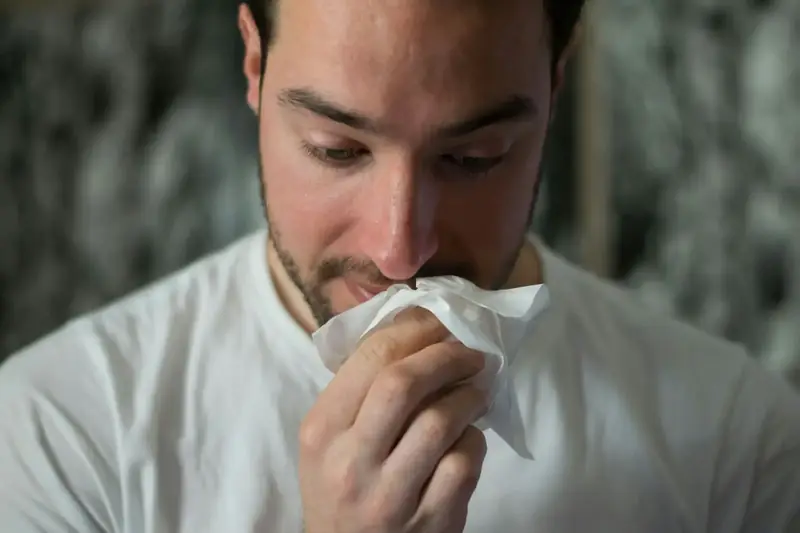
Man in a white T-shirt holding a tissue to his nose indoors
Stock photo by Brittany Colette on Unsplash.

What the Evidence Shows

The honest answer is sometimes. The EPA says duct cleaning has never been shown to prevent health problems, and that dirty ducts are only one of many sources of particles in a home. A 2026 NerdWallet review notes NIH-cited research found insufficient evidence that routine duct cleaning improves indoor air quality. Cleaning helps most when the ducts are actually loaded with dust, dander or mold.

Steps That Help Allergy Households Most

Allergy steps, ranked by effort and effect
StepWhy it helpsCost
Use the highest-efficiency filter your system allowsCatches more particles on every fan cycle, per EPA guidanceLow
Make sure the filter fits without gapsStops air from bypassing the filterFree
Keep humidity between 30 and 50 percentLimits mold growth, per the EPALow
Change filters on scheduleA loaded filter restricts airflowLow
Clean ducts with confirmed buildupRemoves the dust reservoir that blows back into rooms$500–$800 per system

When Duct Cleaning Makes Sense for Allergies

  • Dust visibly puffs out of registers when the system starts
  • You moved into a home where previous owners had shedding pets
  • Renovation dust got into the system
  • An inspection finds mold on the coil, drain pan or ducts

Pets are the most common allergy trigger inside ducts; see pet hair duct cleaning. If you're unsure what's inside, start with a camera inspection.

Why Allergies Get Worse After Duct Cleaning

The EPA warns that a duct cleaning done without proper vacuum collection can release more dust into the home than it removes. Ask these questions before booking:

  • Will the whole system stay under negative pressure during the job?
  • Does the vacuum exhaust outdoors, or through a HEPA filter if indoors?
  • Will you replace the filter at the end?
  • Will you use any chemicals, and which ones?

For ducts that stay dusty after cleaning, see dirty and dusty ducts.

How to Clean a House to Reduce Allergies

  • Vacuum with a sealed, filtered vacuum so dust doesn't blow back out
  • Wash bedding in hot water on a regular schedule
  • Wipe register covers and return grilles when you dust
  • Run bathroom and kitchen exhaust fans that vent outdoors
  • Keep windows closed on high-pollen days and let the filter work

Duct Cleaning for Allergies FAQs

Does getting your ducts cleaned help with allergies?

It helps when the ducts hold heavy dust, pet dander or mold that blows back into rooms. It isn't an allergy treatment: the EPA says duct cleaning has never been shown to prevent health problems. Better filtration and humidity control usually make a bigger daily difference.

What are the symptoms of dirty air ducts?

Dust blowing from registers when the fan starts, a filter that turns gray within weeks, visible debris or hair mats inside the boots, and musty smells from the vents. Allergy flare-ups alone aren't proof, since most household dust comes from people, pets and cooking.

Why are my allergies worse after duct cleaning?

The most common reason is a cleaning done without proper vacuum collection, which the EPA warns can release more dust into the home. Replace the filter, run the system with windows closed, and ask the company whether the whole system stayed under negative pressure during the job.

What filter is best for allergies?

The highest-efficiency filter your system's manufacturer allows, installed so it fits its slot without gaps. A filter that's too restrictive for the equipment can reduce airflow, so check the equipment manual or ask an HVAC technician before upgrading.

Find Out What's Really in Your Ducts

An inspection shows whether cleaning will help, or whether filters and humidity matter more.

Call (703) 952-9479 Back to top