Had a fire or heavy smoke? Don't run the HVAC system until it has been checked.

Blog · After a fire

HVAC and Duct Cleaning After Smoke or Fire Damage

Smoke doesn't stay in the room where the fire started. If the heating or cooling system ran, it pulled smoke and soot into the returns and spread them through every duct. That's why a smoke smell lingers long after the visible damage is cleaned.

Quick answer

After a house fire, keep the HVAC system off until it has been checked, replace the filter, and have the ducts, blower and coil cleaned if soot reached them. Duct cleaning removes soot and much of the smoke smell from metal ducts, but soaked flex duct and duct insulation are usually replaced. For wildfire smoke, the EPA advises a MERV 13 filter or the highest rating your system can take.

Get a written estimate for your home or call (571) 240-0877.

  • OffKeep the HVAC system off until checked
  • MERV 13EPA filter advice for smoke
  • ReplaceSmoke-soaked flex duct and insulation
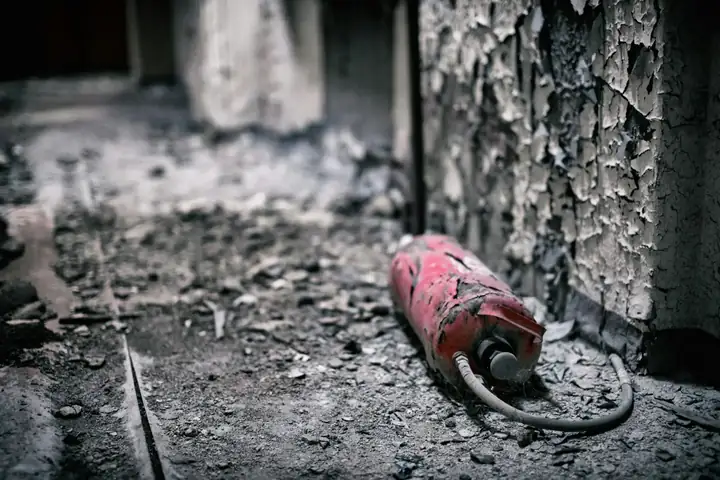
Dented red fire extinguisher lying on a scorched, debris-covered floor
Smoke reaches every room the HVAC system serves, beyond the fire area. Stock photo by Denny Müller on Unsplash.

What to Do Before Running the System Again

  1. Keep It Off

    Running the blower spreads soot from the returns into every room.

  2. Call Your Insurer

    Smoke cleaning is often part of a fire claim; ask before you hire anyone.

  3. Replace the Filter

    The filter catches soot during the fire. Bag it and throw it out.

  4. Have the System Inspected

    A technician checks the ducts, blower, coil and insulation for soot.

How Smoke Spreads Through Ductwork

Return vents pull room air back to the air handler. During a fire, they pull smoke with it. Soot settles on the blower, the coil and the inside of the ducts, then blows back out every time the system starts. Fine soot particles also stick to fiberglass liners and flex duct.

What Gets Cleaned and What Gets Replaced

HVAC parts after smoke exposure
PartUsual outcome
Sheet metal ductsClean under negative pressure
Blower and coilClean
Flex duct with soot insideReplace
Duct board and insulationReplace if soaked or stained
FilterReplace

The EPA's duct cleaning guide says duct insulation that gets wet or moldy can't be cleaned effectively and should be replaced; soot-soaked insulation is usually handled the same way. The full equipment-side job is described on the HVAC duct cleaning page.

Does Duct Cleaning Get Rid of Smoke Smell?

It removes the soot that carries most of the smell from metal ducts and equipment. Smell that has soaked into flex duct, insulation, carpets or drywall stays until those are cleaned or replaced. Masking sprays don't remove it. The odor removal page covers smells that remain after cleaning.

Wildfire Smoke and Your HVAC Filter

Wildfire smoke drifts into Northern Virginia some summers. The EPA advises a high-efficiency HVAC filter, such as MERV 13, or as high a rating as your system fan and filter slot can handle, fitted snugly so air doesn't leak around it. Ducts rarely need cleaning after outdoor smoke alone; a fresh filter usually does the job.

HVAC After Smoke Damage FAQs

Does air duct cleaning get rid of smoke smell?

It removes the soot that carries most of the smell from metal ducts, the blower and the coil. Smell soaked into flex duct, insulation or furnishings stays until those are cleaned or replaced.

Should I run my HVAC after a house fire?

No. Keep it off until a technician checks it, because the blower spreads soot from the returns into every room. Replace the filter before running it again.

Do ducts need to be replaced after a fire?

Sheet metal ducts are usually cleaned. Flex duct with soot inside, and duct board or insulation that is soaked or stained, are usually replaced because they can't be cleaned effectively.

What filter is best for wildfire smoke?

The EPA advises a high-efficiency filter such as MERV 13, or the highest rating your system fan and filter slot can take, fitted snugly so air doesn't bypass it.

Soot Out of the System Before It Runs Again

Ducts, blower and coil checked and cleaned, and what can't be cleaned named in writing.

Call (571) 240-0877 Back to top