Four Places Vent Dust Comes From
| Source | The clue | The fix |
|---|---|---|
| Clogged or loose filter | Dust all the time; a gray or bowed filter; gaps around its edges | Replace it with the correct size and close the gaps |
| Leaky return ducts | Dust keeps coming with a fresh filter; ducts run through an attic, crawl space or garage | Seal the return joints |
| Debris inside the ducts | Puffs when the fan starts; clumps visible in register boots | Source-removal duct cleaning |
| Construction dust | Started after a remodel or a move into a new build | Filter changes first; see the new house dust guide |
Keep the ducts in perspective. The EPA points out that dirty ducts are only one of many sources of household dust; cooking, cleaning and simply moving around put particles in the air too.
A 15-Minute Test to Find Your Dust Source
Pull the Filter
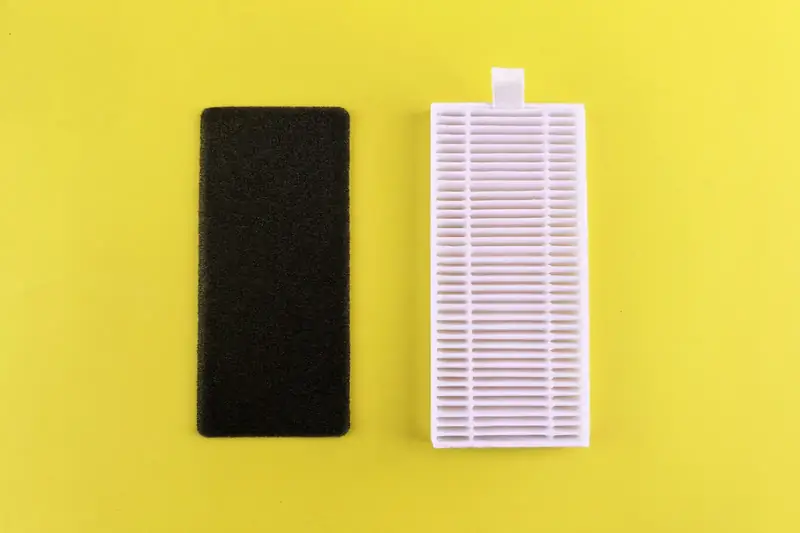
Hold it up to a light. If you can't see light through it, replace it.
Check the Filter Slot
Match the size on the frame to the slot. Gaps let dusty air skip the filter entirely.
Look Into a Register Boot
Lift a supply register and use a flashlight. A thin gray film is normal; clumps and scraps aren't.
Watch the Fan Start
Stand near a register when the system starts. A visible puff points to debris in the ducts.
Note Where Your Ducts Run
Dust that returns with a new filter, in a home with attic or crawl space ducts, points to return leaks.
Rather answer three quick questions? The dust section of the problem checker ranks the likely causes for you.
What White Dust Around the Vents Usually Means
Fine white powder has two common sources. The first is a humidifier. The EPA reports that ultrasonic and impeller, or "cool mist," humidifiers can disperse minerals from their water tanks into indoor air, and it suggests using water with low mineral content, such as distilled water. The second is drywall dust after construction or a remodel, which settles as a pale film on registers, trim and furniture.
If neither fits and white dust keeps appearing, have the air handler and ducts inspected.
Keeping Vent Dust From Coming Back
- Use the highest-efficiency filter your system's manufacturer allows, installed without gaps
- Change the filter on schedule, and sooner during renovation or shedding seasons
- Seal leaky return joints with mastic or metal tape, the materials ENERGY STAR recommends
- Keep furniture and rugs off registers and return grilles
- Clean the ducts only when an inspection shows real debris, mold or pests, the EPA's three reasons to clean
Does Running the AC Help With Dust?
A little. Every time the fan runs, room air passes through the filter, so a good, well-fitted filter catches some airborne dust on each cycle. Running the system doesn't lift dust that has already settled, and if the return ducts leak, the fan pulls in new dust while it runs. Fix the filter and the leaks, and the system becomes a dust remover instead of a dust spreader.